Ultrasonic gas metering for custody transfer is how many transmission and midstream operators measure the quantity of natural gas that changes hands. The meter in the line is only part of the system. A fiscal measurement chain also needs volume conversion or flow computation, and often an independent measurement of gas quality and energy content.
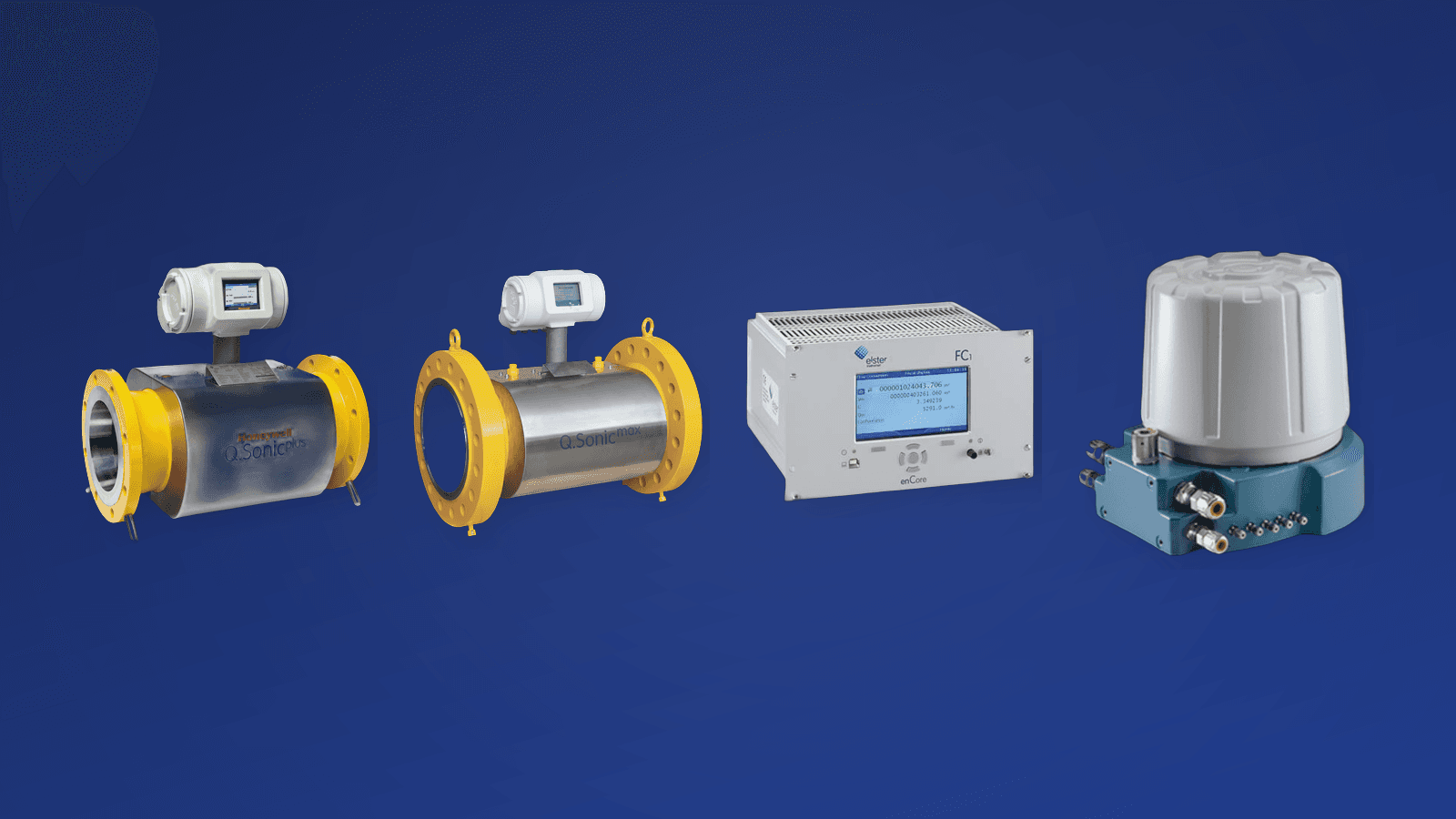
Honeywell Elster equipment used on this type of station includes the Q.Sonic-plus and Q.Sonic-max multipath ultrasonic gas meters, the enCore FC1 flow computer, the enCore ZM1 volume conversion device, and the EnCal 3000 gas chromatograph. This article explains how those products fit together, using published Honeywell specifications only. It does not replace a metrology or regulatory review for a particular Australian pipeline or custody-transfer agreement.
What custody-transfer gas measurement has to do
When gas is bought and sold, both parties need a defensible figure for the quantity — and often the energy — that flowed. Ultrasonic path meters have become widely used on large pipelines because of their accuracy, high turndown and resistance to installation effects, as Honeywell notes in its Q.Sonic product material. Around the meter you typically still need:
- A multipath ultrasonic meter that can diagnose flow-profile problems, not just report a volume.
- A flow computer or volume conversion device that applies recognised calculation methods and logs billing data.
- A gas-quality measurement, such as a chromatograph, where calorific value or component analysis is part of the contract.
Multipath ultrasonic meters: Q.Sonic-plus and Q.Sonic-max
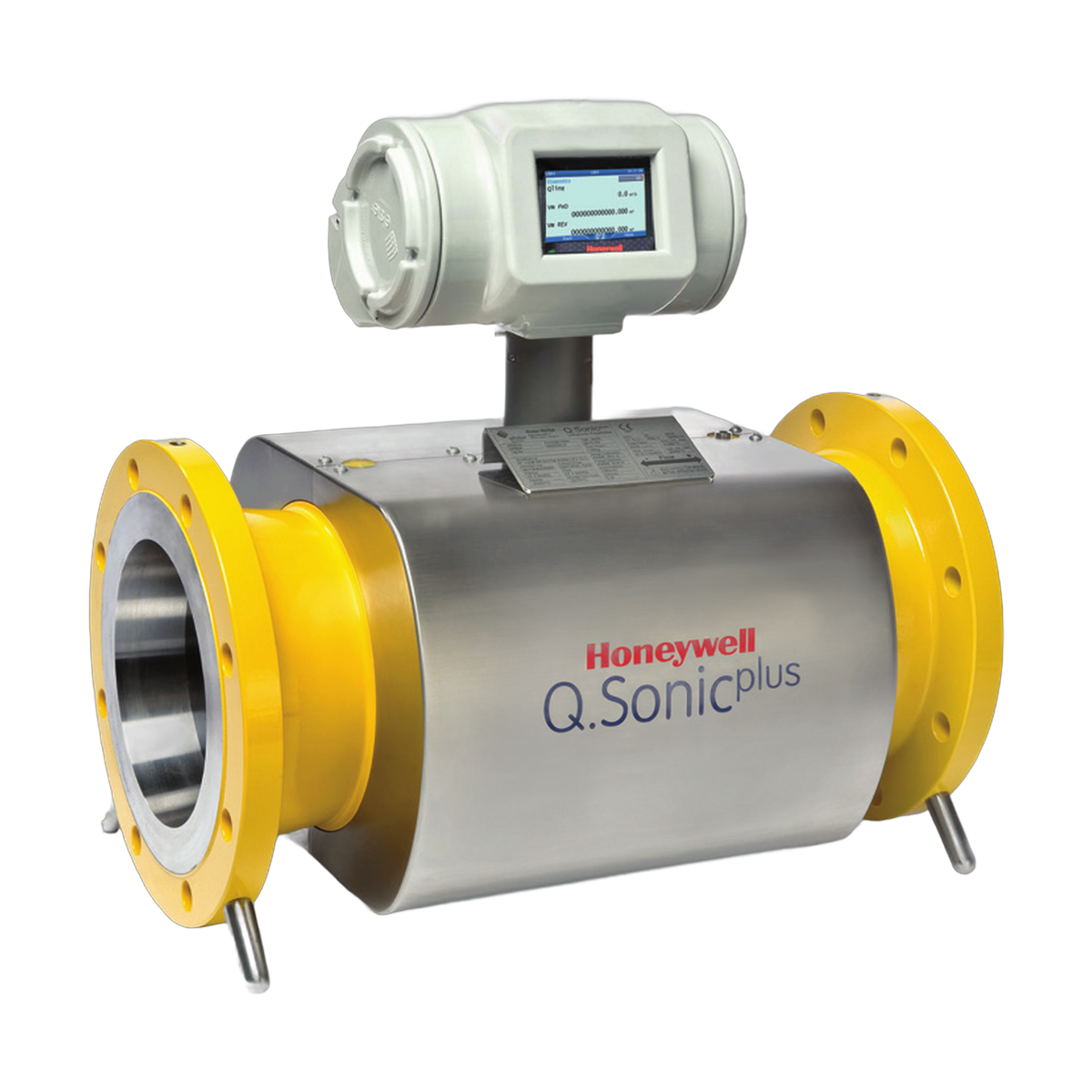
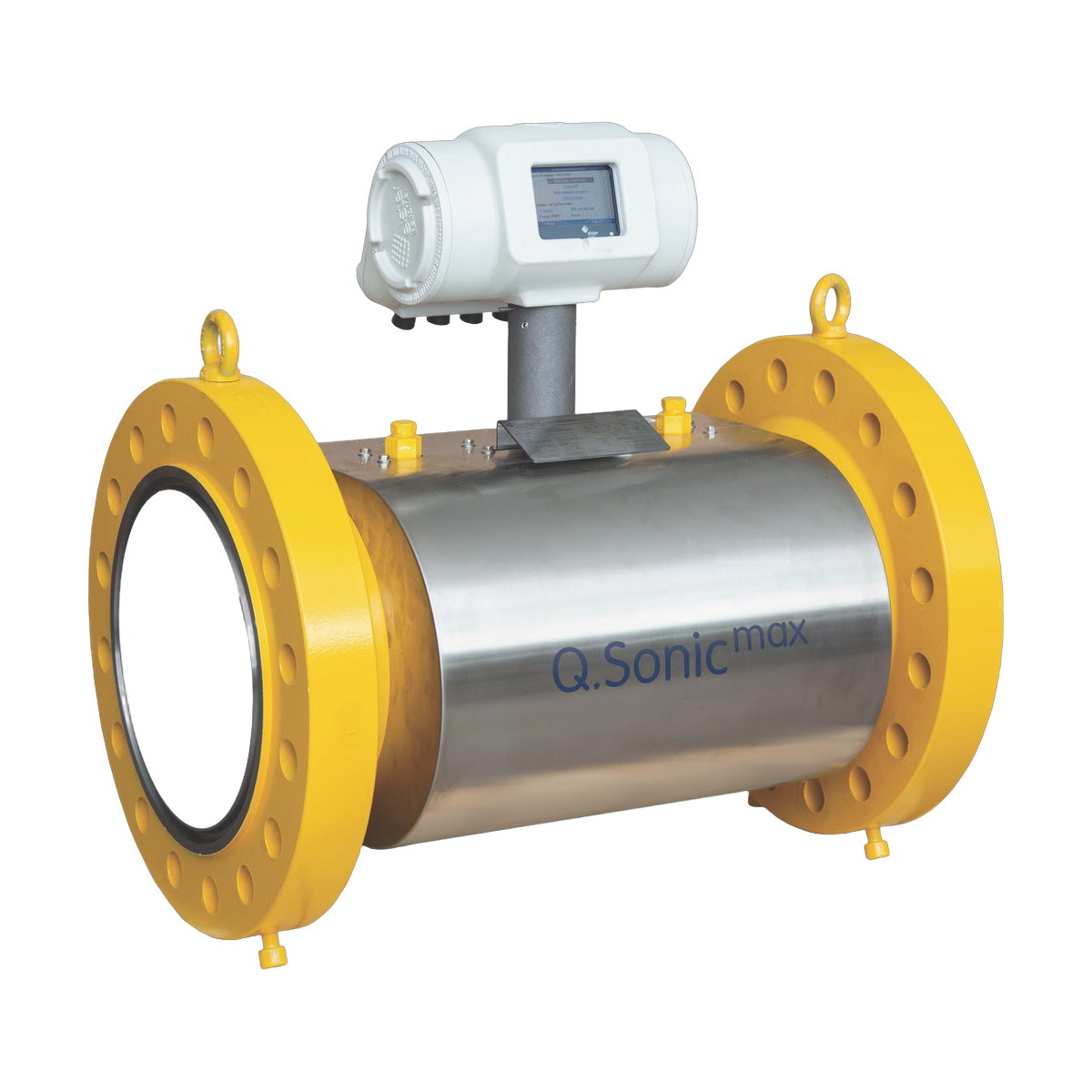
The Honeywell Elster Q.Sonic-plus is a multipath ultrasonic gas flow meter with unique profile recognition, used for natural-gas measurement in large pipelines, including custody transfer. Profile recognition is the practical point: the meter is designed so that flow-profile disturbances can be identified and the diagnostic picture used in fiscal and transmission service. Territory Instruments lists this meter as Sonic-plus on the current product page.
The Honeywell Elster Q.Sonic-max is an 8-path ultrasonic gas flow meter that combines reflection technology with direct technology. Honeywell describes it as using a patented acoustic path configuration for fiscal and transmission measurement of natural gas, and the official product page references AGA 9 and MID. Choose Q.Sonic-max when the application calls for that 8-path arrangement; choose Q.Sonic-plus when the published plus-series profile-recognition meter is the specified instrument. In both cases, sizing still depends on line diameter, pressure and the relevant metrology requirements.
Flow computation and volume conversion
An ultrasonic meter reports flow. A station computer converts, calculates and records the figures used for billing.
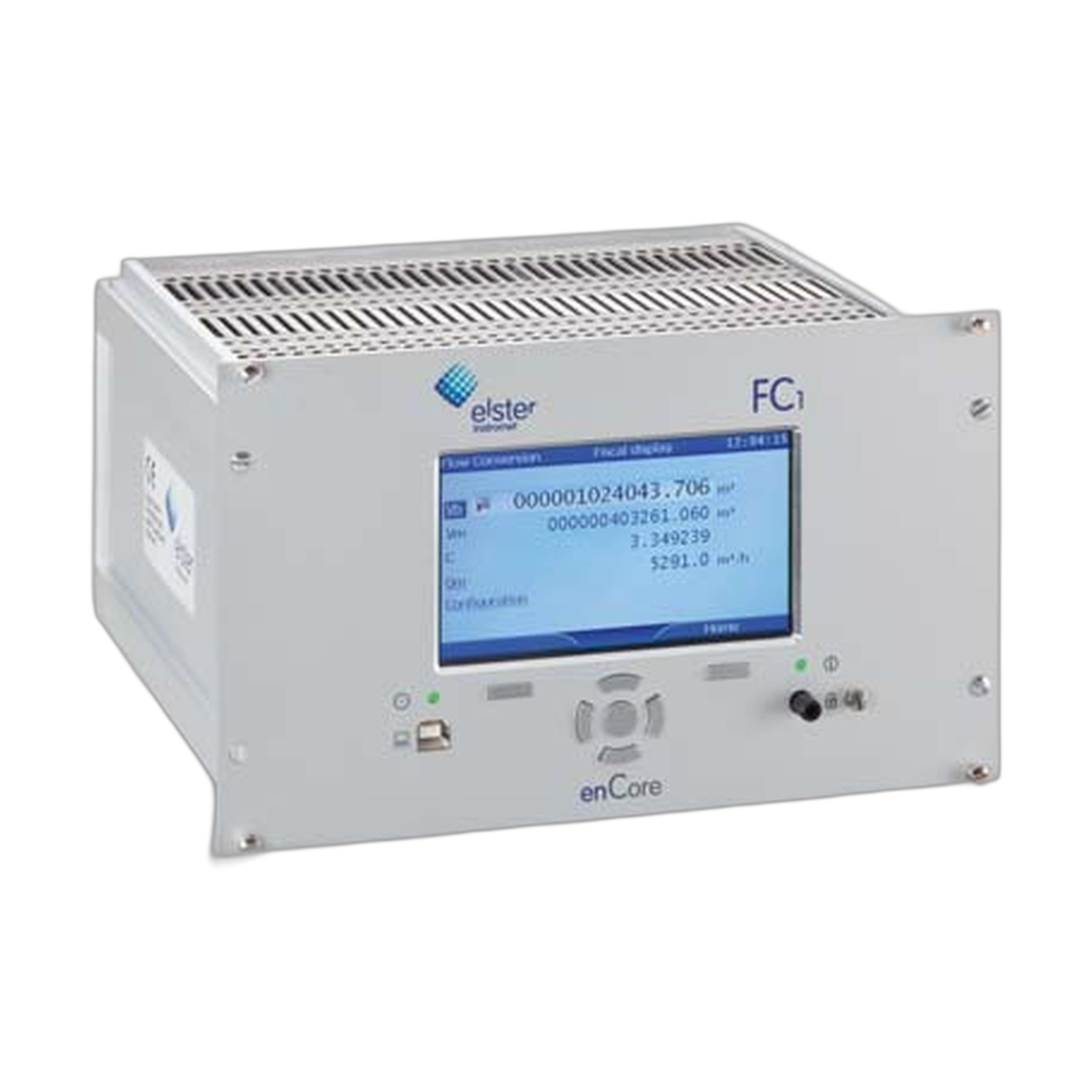
The Honeywell Elster enCore FC1 is a modular oil and gas flow computer with a full graphic touch screen. Hardware is organised so that one interface board is used per stream. Calculations follow AGA, ISO, API and GPA methods. Ethernet communications cover HTTP, MMS, Modbus and NTP, and a USB interface is provided on the front panel. Software can be upgraded in part via USB or TCP/IP. Enhanced data logging and configurable user-defined displays support station operation and audit needs. The FC1 is the usual choice when you need a stream-by-stream modular flow computer on a metering skid or station.
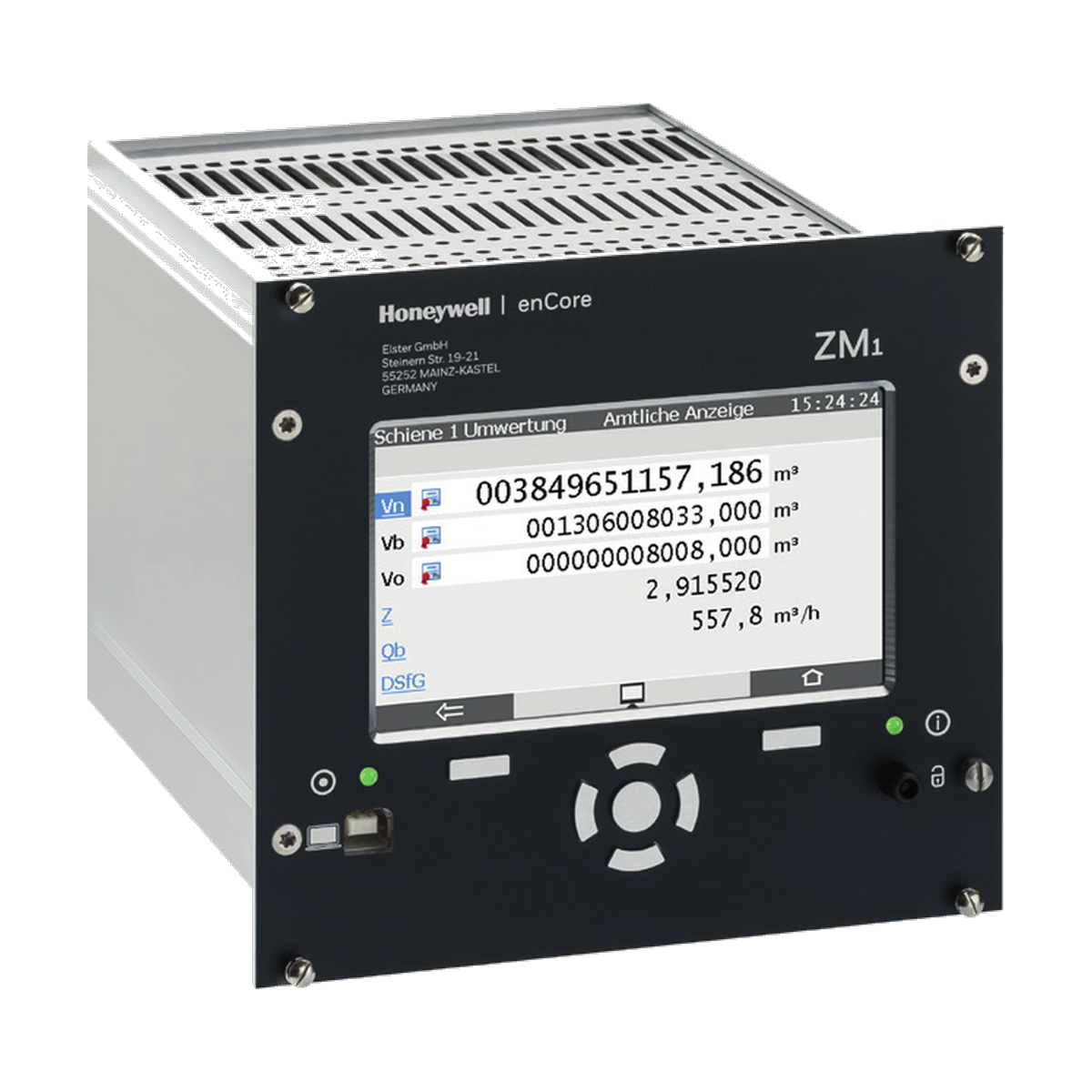
The Honeywell Elster enCore ZM1 is a compact volume conversion device for custody-transfer measurement of natural gas and industrial gases such as biogas, including hydrogen-rich gases. It combines volume conversion with a data logger and a communication module. Conversion uses SGERG-88, SGERG-mod-H2, AGA 8 or a constant K-number. A DSfG Class A interface is provided at up to 500 kBaud, with remote data transmission according to DSfG Class B over TCP/IP. Ultrasonic gas meters can be connected digitally, and pressure and temperature transmitters via HART. Honeywell specifies a 7-inch capacitive touch display, a quad-core CPU with 2 GB RAM and 8 GB of internal memory, and a standard ½ 19-inch housing or T350 field housing. The official page lists MID and OIML certification and PTB, MID and OIML approvals, and describes the device as ECO-Gas ready, including hydrogen.
Station designers often use ZM1 where volume conversion, DSfG communications and hydrogen-ready conversion methods are the priority, and FC1 where a modular multi-stream flow computer with AGA, ISO, API and GPA calculations is required. The two products are complementary rather than interchangeable.
Gas quality and energy: EnCal 3000
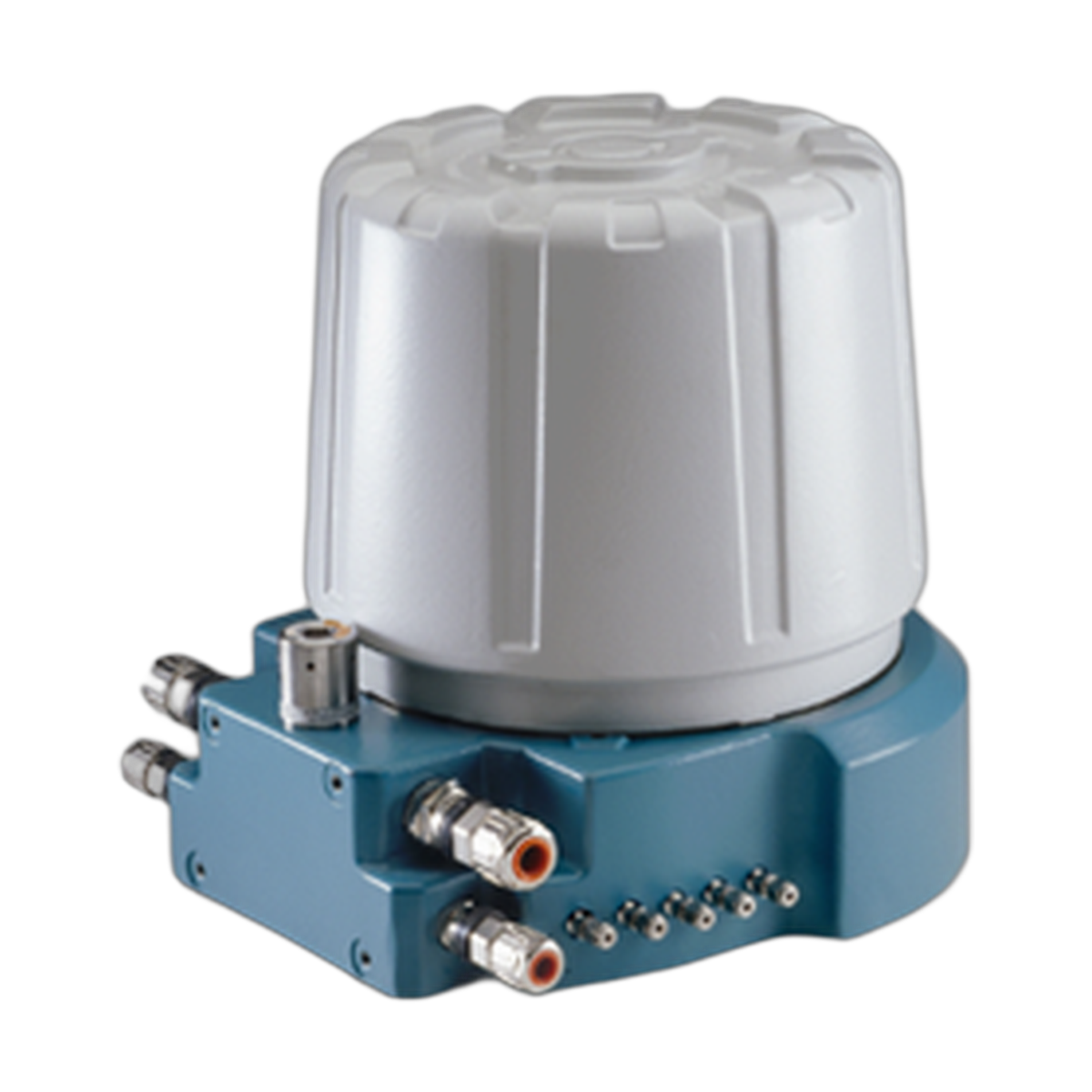
Quantity alone does not always settle a custody-transfer ticket. Energy content depends on composition. The Honeywell Elster EnCal 3000 is a MEMS gas chromatograph for natural-gas energy measurement, used to measure gas components for custody-transfer and calorific-value determination. Published analysis times are C6+ within 3 minutes and C9+ within 5 minutes. Repeatability on BTU is listed as less than 0.005%. The analyser includes double block and bleed, stream select for five streams, TCP/IP communication, data storage in accordance with API 21.1, and an IP66 outdoor housing.
Typical applications are fiscal energy measurement, quantitative measurement of natural-gas components, and gas-quality control on transmission and industrial gas systems.
How the pieces fit on a station
- The Q.Sonic-plus or Q.Sonic-max meter measures gas flow in the pipeline and provides path diagnostics.
- Pressure and temperature, and the meter output, are brought into an enCore FC1 flow computer or an enCore ZM1 volume conversion device, which applies the published calculation methods and records billing data.
- Where the contract or operating standard requires energy or component analysis, an EnCal 3000 chromatograph provides the gas-quality input.
- Remote access to a local DSfG network, where used, can be handled by a dedicated unit such as the gas-net D1 DSfG-RDT device.
To specify an ultrasonic custody-transfer train for a transmission or midstream site, request a quote from Territory Instruments. Include pipe size, pressure, whether you need volume conversion or a multi-stream flow computer, and whether calorific-value analysis is part of the measurement.
Frequently asked questions
What is the difference between Q.Sonic-plus and Q.Sonic-max?
Both are Honeywell Elster multipath ultrasonic gas meters intended for natural-gas service, including custody transfer. Q.Sonic-plus is specified with unique profile recognition. Q.Sonic-max is an 8-path meter that combines reflection and direct path technology, with official-page references to AGA 9 and MID. The right choice depends on the metering standard and path configuration your project requires.
Do I need a chromatograph as well as an ultrasonic meter?
You need a chromatograph when the custody or operating requirement includes gas quality or energy content, not only volume. The EnCal 3000 is Honeywell Elster’s MEMS chromatograph for that duty, with published C6+ and C9+ analysis times and API 21.1 data storage.
Is the enCore ZM1 suitable for hydrogen-containing gas?
Honeywell describes the ZM1 as a volume conversion device for natural gas and industrial gases such as biogas, including hydrogen-rich gases, and as ECO-Gas ready, including hydrogen. Conversion methods include SGERG-mod-H2 as well as SGERG-88, AGA 8 and a constant K. Confirm the approved methods and certifications against your gas composition and the applicable metrology rules.
Which calculations does the enCore FC1 support?
Honeywell states that enCore FC1 calculations follow AGA, ISO, API and GPA methods. The computer is modular, with one interface board per stream, and supports Ethernet protocols including HTTP, MMS, Modbus and NTP.